Barcelona's financial future in flux: Understanding the implications of the rumored Saudi Crown Prince bid
Barcelona’s financial troubles may take a new turn with reports of a potential €10 billion bid from Saudi Crown Prince Mohammed bin Salman. This proposal, aiming to reshape the club's future by wiping out its massive debt, has stirred intrigue and debate. However, the unique socio-ownership model of the club presents a significant hurdle to any outright purchase. Let's delve deeper into the implications of this bid and how it aligns with both Barcelona's financial challenges and the Crown Prince's strategic vision.
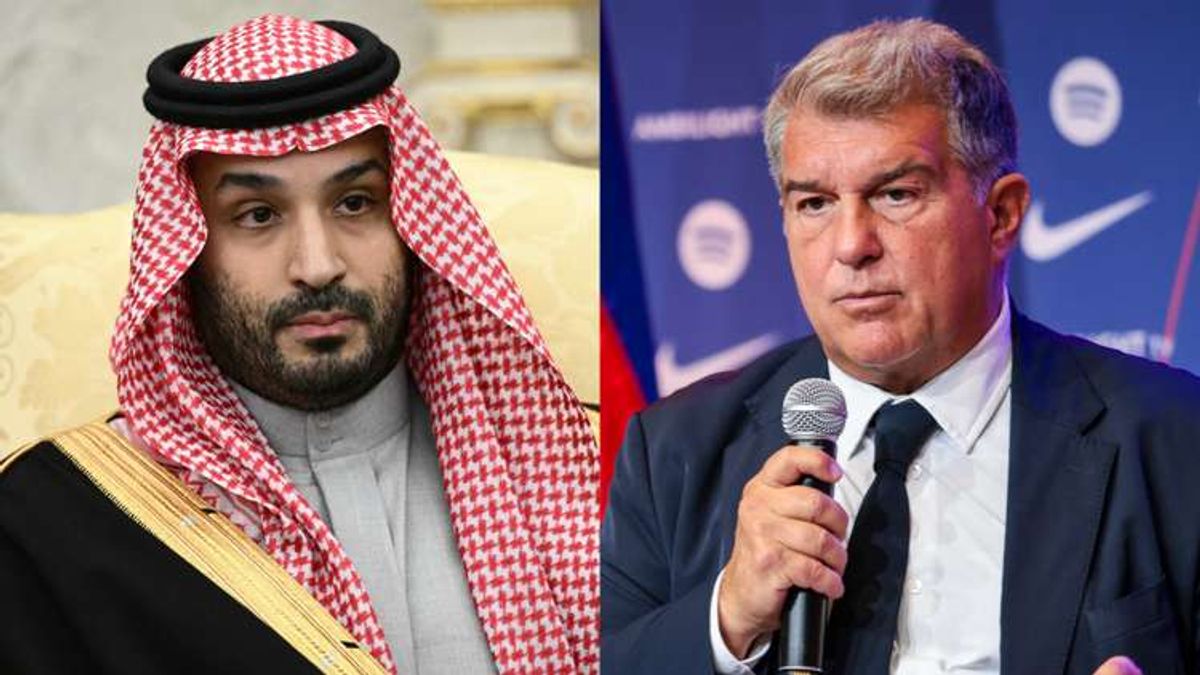
Barcelona’s long-running financial crisis has taken a dramatic twist after reports claimed Saudi Crown Prince Mohammed bin Salman is weighing up a staggering €10 billion offer to buy the club. The proposal, which would theoretically wipe out Barca’s massive debt and reshape their future, has sparked huge intrigue - even though such a takeover remains a difficult hurdle to overcome.Reports in Spain have ignited international attention after El Chiringuito’s Francois Gallardo claimed that Saudi Crown Prince Mohammed bin Salman is considering a monumental €10 billion (£8.7b/$11.7m) bid to buy FC Barcelona. The rumoured offer stems from Saudi Arabia’s accelerating push into global sport, with investments through the Public Investment Fund (PIF) designed to acquire elite assets and elevate the kingdom’s sporting influence. According to the report, the bid would account for Barcelona’s estimated €2.5 billion (£2b/$2.9b) debt while providing enough capital to give the Crown Prince theoretical full control of the club.However, the claim immediately faced scrutiny because Barcelona cannot legally be bought outright due to its long-standing socio-ownership model. The club is owned collectively by its members, who control elections and governance, meaning no individual, foreign or domestic, can purchase it. While the Saudi PIF could potentially invest in a separate commercial arm in the future, any attempt at full acquisition would be structurally blocked.Many within Spain, therefore, see the reported bid as either symbolic or exploratory, rather than a genuine attempt to trigger immediate ownership change. Even so, the scale of the figure, unprecedented in football history, has drawn much fascination as Barcelona continues to navigate their financial turbulence. The story has sparked fierce debate among fans, analysts, and economists regarding both the feasibility and the implications of such a proposal.The rumoured Saudi interest arrives against the backdrop of Barcelona’s years-long financial crisis, which has forced the club into drastic measures. Heavy debt from the Josep Maria Bartomeu era (which ended in 2020), a record-breaking wage bill, and the COVID-19 revenue collapse collectively crippled the club’s ability to operate normally. These financial pressures triggered well-documented registration struggles under La Liga’s salary cap rules, forcing the club to delay signings, renegotiate contracts and activate multiple 'economic levers' to remain competitive.Despite president Joan Laporta’s assurances that the club is stabilising, Barcelona still face enormous debt obligations, including the long-term repayment structure for the Espai Barca stadium (Camp Nou, the club's training ground, and surrounding area) redevelopment loan. La Liga’s financial controls continue to restrict flexibility, meaning the club must constantly manoeuvre to balance registration demands with squad-building ambitions.At the same time, Saudi Arabia’s football expansion has reached unprecedented levels, with the Crown Prince steering vast investment into the Saudi Pro League, high-profile transfers, and major club acquisitions. The magnitude of a Barcelona proposal fits the broader Vision 2030 strategy, which aims to diversify the kingdom’s economy and deploy football as a global soft-power tool. Yet even with immense financial resources, the Crown Prince cannot override the structural barriers protecting Barcelona’s ownership identity.Barcelona’s governance model makes the rumoured takeover fundamentally incompatible with how the club is built to operate. As one of only two major European clubs still owned by its members (along with Real Madrid), Barcelona’s socios (members) elect the president, approve budgets, and have veto power over strategic decisions, including any proposal to sell control of the institution. For many, sociologically and culturally, selling the club outright would be viewed as an abandonment of identity and tradition, making such a scenario virtually unimaginable.Even so, the club could, in theory, follow a path similar to what has reportedly been explored by Real Madrid: dividing its commercial operations into a separate entertainment arm that could attract outside investment without ceding football decision-making authority. Under this model, Saudi Arabia’s PIF could legally invest in non-sporting divisions such as content creation and media rights. However, this would provide neither ownership nor control of Barcelona’s sporting department, which remains the heart of the institution.Add GOAL.com as a preferred source on Google to see more of our reportingBarcelona are expected to publicly maintain their long-standing stance that the club is not for sale under any circumstances. Any future discussion will likely focus instead on commercial partnerships, strategic investments, or sponsorship arrangements that comply with La Liga regulations and club governance structures. Internally, the board will continue prioritising wage-bill reduction, revenue growth, and the long-term restructuring of debt rather than entertaining takeover fantasies.From the Saudi perspective, football investment will continue to expand regardless of Barcelona’s status, with the Crown Prince steering towards transformative projects that enhance the kingdom’s global sporting footprint. Whether through the Saudi Pro League, international club partnerships, or further acquisitions, the strategic direction is already firmly in motion.
Barcelona's Financial Crisis: A Recap
Barcelona has been grappling with a prolonged financial crisis attributed to heavy debt, a soaring wage bill, and revenue setbacks exacerbated by the COVID-19 pandemic. Despite recent efforts to stabilize under new leadership, the club faces ongoing challenges in navigating its debt obligations while adhering to La Liga's financial regulations.
The Saudi Interest and Its Significance
The rumored €10 billion bid from the Saudi Crown Prince underscores his country's growing influence in global sports investments. While the offer is monumental, Barcelona's unique ownership structure poses a formidable barrier to any immediate takeover. The bid is seen more as symbolic, sparking discussions on the viability and implications of such an unprecedented proposal.
Barcelona's Socio-Ownership Model: A Stumbling Block
Barcelona's socios hold the club's ownership collectively, ensuring democratic decision-making and preserving the club's identity. Any attempt to sell outright ownership would require transcending these foundational principles, which many view as non-negotiable. Exploring alternatives, such as segregating commercial operations for external investments, may provide avenues for financial injections without compromising the core ownership structure.
Future Scenarios and Strategic Perspectives
Barcelona's stance on remaining unsellable under any circumstances reflects a commitment to retaining its unique ownership model. While avenues for commercial partnerships and strategic investments may present themselves, the club's priority remains on financial sustainability through debt restructuring and revenue growth. On the other hand, the Saudi Crown Prince's continued focus on football investments signals a broader strategic ambition beyond the Barcelona bid, positioning Saudi Arabia as a key player in the global sports investment landscape.